Skip To Main Content

Category: Uncategorized

NorthMacedonia Off-Road:Dirt Rocks & Adrenaline

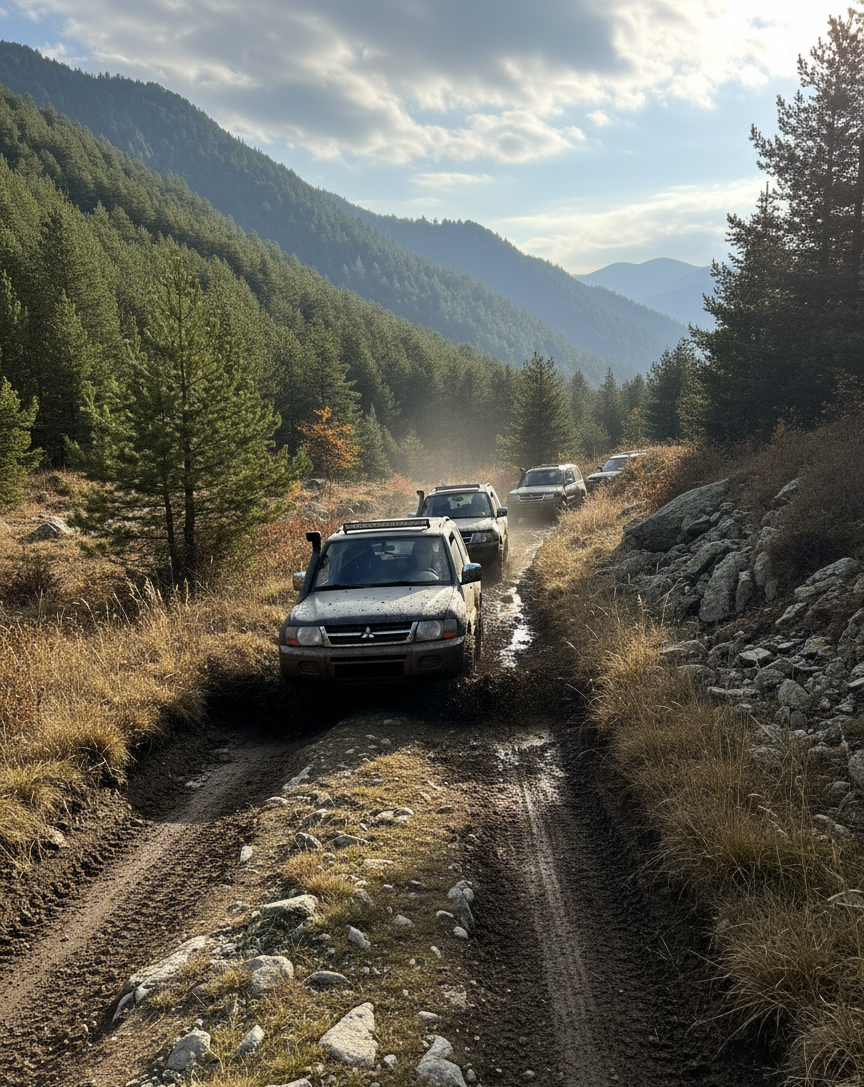
With the first light of morning, the Jeep’s engine hums softly. You hit the dusty trail; every turn is a surprise, every incline a thrill. The sound of the tires gripping the earth blends with the forest’s quiet.

As you make your way along Mavrovo’s mountain paths, the wind brushes your face, the Jeep lightly bounces, and the rocky terrain beneath your wheels makes every movement feel alive. Passing through the forest, the chirping of birds and the distant flow of streams merge with the rhythm of the drive.

Climbing a steep hill, the view opens up: the blue waters of Ohrid, lush green valleys, and stone villages spread out before your eyes. Gripping the Jeep’s steering wheel, you feel a connection with both nature and the adrenaline rising within you.

Every stop is a chance to catch your breath: pause briefly to take in the surroundings, explore trails weaving over rocks, and venture into the depths of the forest… Driving the Jeep is not just a journey—it’s a feeling, a rhythm, an adventure.

As the day progresses, the terrain grows tougher, the Jeep battles the challenges, yet each turn brings a view and a sensation that erases all fatigue. This is North Macedonia off-road: full of rocks, dirt, wind, and adrenaline—a completely natural and utterly freeing experience.
North Macedonia’s Hidden Paradises

North Macedonia, located in the heart of the Balkans, is a country rich in history and natural beauty, waiting to be explored. Beyond popular destinations like Skopje and Ohrid, it offers hidden natural wonders and cultural treasures that provide visitors with unique experiences. Here are some of North Macedonia’s best-kept secrets:

1. Mavrovo National Park: Embracing Wild Nature

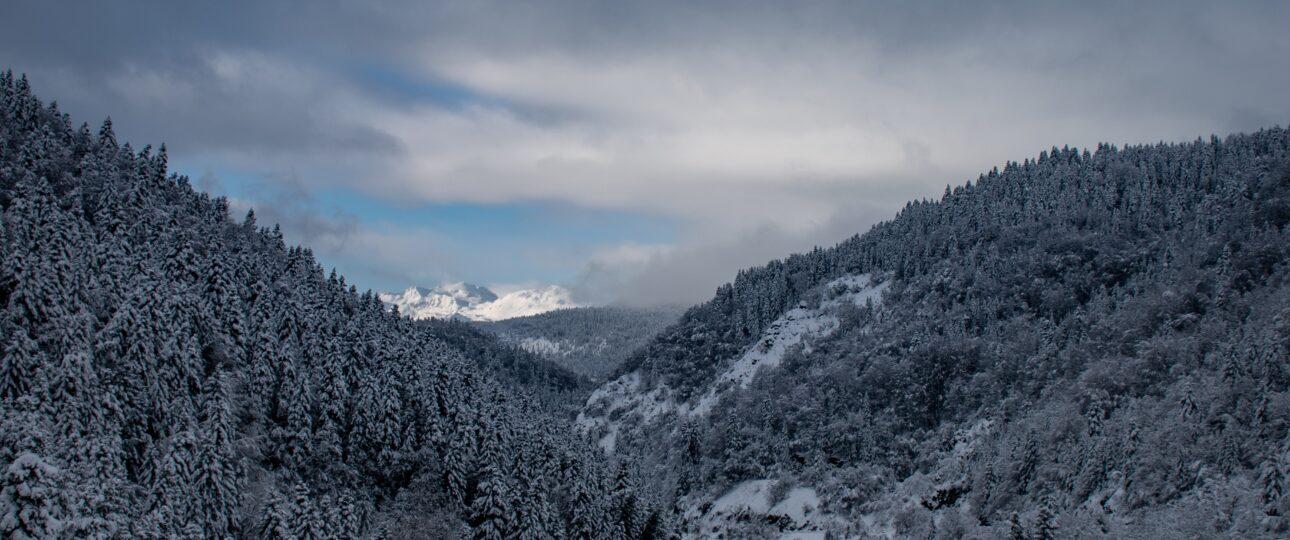
Mavrovo National Park is the largest national park in North Macedonia, boasting lush forests, lakes, and mountains, making it a paradise for nature lovers. Whether you visit in winter for skiing or in summer for hiking and camping, this area is a must-see.

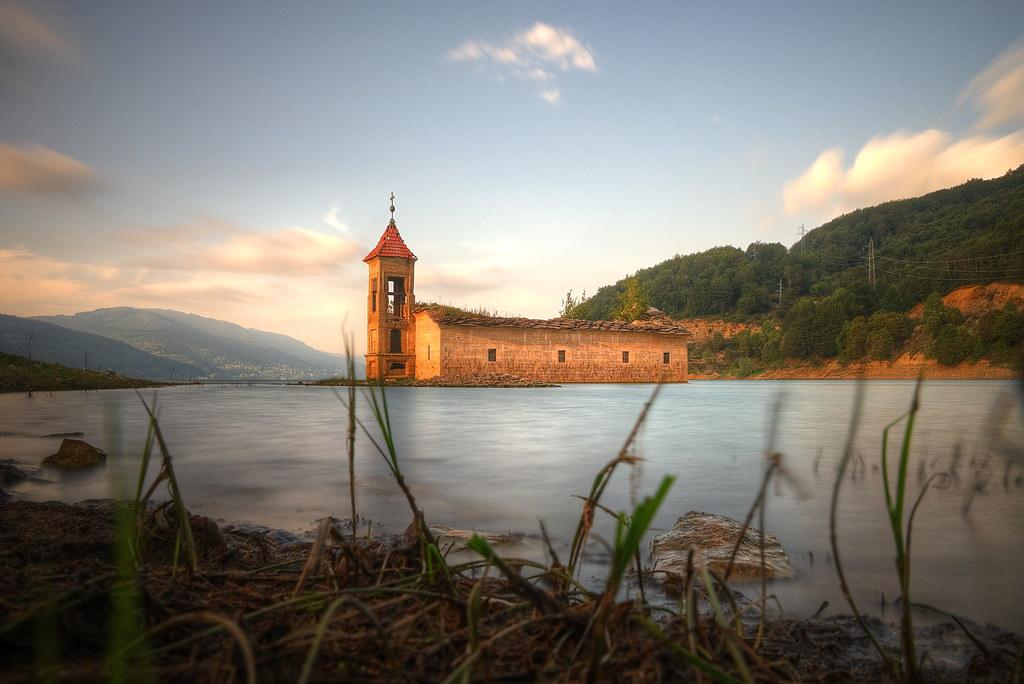
  • Must-See: The semi-submerged Church of St. Nicholas in Mavrovo Lake.
  • Activities: Hiking, trekking, biking, wildlife observation.

2. Kuklica – Valley of Stone Dolls: Nature’s Mysterious Sculptures

Kuklica is famous for its unique stone pillars, naturally sculpted over millions of years. According to local legends, these formations represent a wedding party turned to stone. This mystical site is a dream for photographers and nature enthusiasts.

  • Must-See: The legendary stone figures, especially at sunset.
  • Activities: Photography, exploring local myths.

3. Kozjak Lake: A Retreat into Serenity

Despite being close to Skopje, Kozjak Lake remains a hidden retreat for those seeking peace in nature. Surrounded by steep cliffs, it offers breathtaking views and a tranquil atmosphere.

  • Must-See: Panoramic viewpoints overlooking the lake.
  • Activities: Boat tours, picnicking, photography.

4. Marko’s Towers: A Fortress of Legends and History

Located near Prilep, Marko’s Towers is a medieval fortress complex with stunning views. Built before the Ottoman era, it holds historical significance and is linked to fascinating local legends.

  • Must-See: The sunset from the fortress.
  • Activities: Historical walks, nature exploration, camping.

5. Vevčani Village and Springs: A Blend of Nature and Tradition

Vevčani is a picturesque village known for its pristine nature and rich Macedonian traditions. The village’s crystal-clear springs and charming architecture create an idyllic escape.

  • Must-See: The Vevčani Carnival, traditional houses, and natural springs.
  • Activities: Hiking, experiencing local cuisine.

6. Galičica National Park: A Hidden Paradise Between Ohrid and Prespa

Nestled between Ohrid and Prespa Lakes, Galičica National Park offers mesmerizing hiking trails with panoramic views of both lakes. This is a haven for nature lovers and adventurers.

  • Must-See: The view from Magaro Peak.
  • Activities: Trekking, birdwatching, camping.

7. Treskavec Monastery: A Spiritual Retreat in the Mountains

Located 1,300 meters above sea level near Prilep, Treskavec Monastery is a peaceful retreat with breathtaking scenery. It is one of North Macedonia’s most remote and serene spots.

  • Must-See: Spectacular sunrise and sunset views from the monastery.
  • Activities: Spiritual meditation, hiking, historical exploration.

8. Demir Kapija Valley: Where Wine and History Meet

Stretching along the Vardar River, Demir Kapija Valley is famous not only for its natural beauty but also for its historic wine-making tradition. The region offers a glimpse into ancient Roman influences and exquisite wineries.

  • Must-See: Boutique wineries and vineyards.
  • Activities: Wine tasting, hiking, historical tours.

Conclusion

North Macedonia offers a wealth of historical and natural wonders beyond its well-known tourist destinations. These hidden gems promise unforgettable adventures. If you’re looking to discover the lesser-known side of North Macedonia, WishCo DMC is here to plan the perfect journey for you!

Contact us today to explore these breathtaking destinations!

Unveiling Ohrid Lake’s 8000-Year-Old Settlement

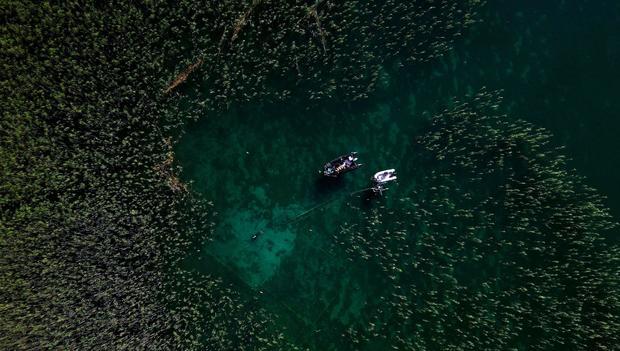
In a groundbreaking archaeological endeavor, a collaborative effort between Swiss and Albanian researchers has illuminated the depths of history by unearthing an ancient lakeside settlement nestled within the serene waters of Ohrid Lake. Dating back a staggering 8000 years, this discovery not only offers a glimpse into the distant past but also reshapes our understanding of prehistoric human habitation in the Balkans.

The discovery represents a triumph of interdisciplinary cooperation, with archaeologists, anthropologists, and environmental scientists pooling their expertise to meticulously uncover the secrets hidden beneath the lake’s tranquil surface.

As layers of sediment were carefully sifted through, a vivid portrait of ancient life began to emerge. The settlement, believed to have been occupied during the Neolithic period, reveals evidence of early human ingenuity and adaptation to their environment. Remnants of dwellings, hearths, pottery shards, and tools offer invaluable insights into the daily lives, social structures, and technological advancements of our ancestors.

Furthermore, the discovery holds profound implications for our understanding of the region’s cultural and ecological history. Ohrid Lake, renowned for its exceptional biodiversity and cultural significance, has long been recognized as a UNESCO World Heritage Site. The revelation of an ancient settlement nestled beneath its waters deepens the lake’s significance, highlighting its role as a cradle of human civilization and a reservoir of untold stories spanning millennia.

The implications of this discovery extend far beyond the realm of academia, resonating with contemporary debates surrounding conservation, sustainable development, and cultural heritage preservation. As we reflect on the resilience of past societies and the interconnectedness of human history, the significance of safeguarding sites like the Ohrid Lake settlement becomes increasingly apparent.

In essence, the unearthing of this 8000-year-old lakeside settlement stands as a testament to the power of collaboration, curiosity, and perseverance in unraveling the mysteries of our collective past. It reminds us of the rich tapestry of human experience woven across time and space and underscores the importance of preserving and celebrating our shared heritage for generations to come.

STOBI ARCHAEOLOGICAL SITE

Stobi  was an ancient town of Paeonia, later conquered by Macedon, and later turned into the capital of the Roman province of Macedonia Salutaris (now near Gradsko in the Republic of Macedonia). It is located on the main road that leads from the Danube to the Aegean Sea and is considered by many to be the most famous archaeological site in the Republic of Macedonia. Stobi was built where the Erigón River (mod. Crna) joins the Axiós River (mod. Vardar), making it strategically important as a center for both trade and warfare.


The old city of Stobi “…Stobis, vetus urbs…”, as the Roman historian Livy named it, was the largest city in the northern part of the Roman province Macedonia, later capital city of the Roman province Macedonia Secunda, an important urban, military, administrative, trade and religious center of two large empires: Roman and Early Byzantine. Located in the heart of Macedonia, on the crossroads between the Aegean World and the Central Balkan, during the whole period of its existence it was a place where cultural achievements of the ancient world gathered in a unique way.


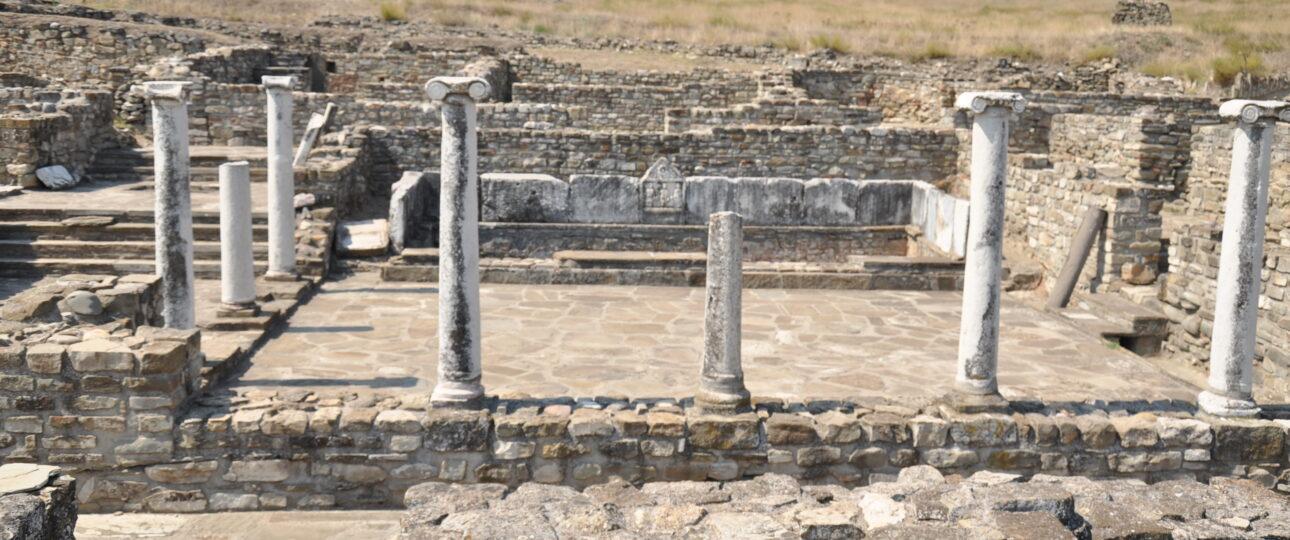
The House of the Psalms – in front of the central basilica, has a central room with a mosaic floor, a room with colonnades, a big pool and columns in the western part of the yard.

The Palace of Theodosius – was where the emperor Theodosius first stayed while in Stobi. The floor is covered with marble blocks and the peristyle with mosaics in the technique opus sectile.

The Tikvesh Region

  • Veles, Kavadarci, Negotino, Demir Kapija are the cities producers of the best macedonian wine.The vineyards in the Tikvesh Region are spread on about 11.000 hectars. The wine is one of the symbols of the Mecedonian land. The great secret of the beautiful taste  of the Mecedonian wines is in the sun, which in the Tikesh region gives a specific taste to every grape.Macedonia is one of the first European countries in which the vineyard culture was nurtured. In the last ten years wine tourism In Macedonia has seen phenomenal growth.
  • Demir Kapija is a town in the Tikves region, the biggest and the most important wine region of Macedonia spread over 13.000 hectares, along the same latitude as Rioja and Ribera del Duero. As the Mediterranean climate from the south collides with the continental climate from the north, it creates an area most remarkable for grape growing and wine production on the entire Balkan Peninsula.
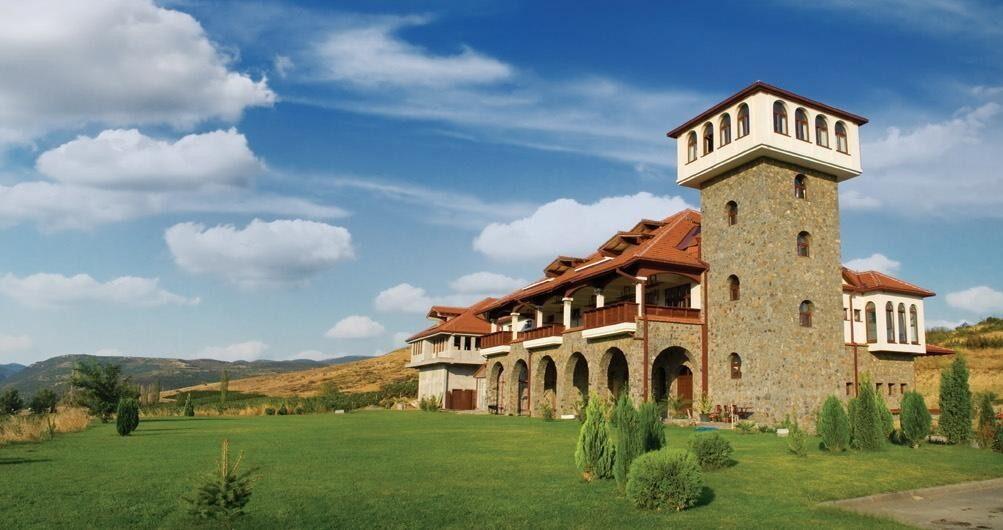
  • The Wine Museum is an interesting place to learn about Macedonian wine making tradition since ancient times to present day. Popova Kula Winery is certainly one of the success stories of Macedonian viticulture and here it is sometimes possible to taste from the fermentation tanks wine varieties such as;  Stanushina a local grape variety found only in the Tikves as well as Temjanika, Zilavka and Vranac grown in the ex-yugoslavia territories. Also more international varieties such as Chardonnay and  Sauvignon Blanc are also produced.

Food and Wine

Certainly! North Macedonia, known for its rich culinary traditions and excellent wines, offers a delightful gastronomic experience. The country’s diverse geography and influences from neighboring countries have resulted in a unique blend of flavors and dishes.

When it comes to traditional North Macedonian cuisine, one cannot miss the famous “Tavče Gravče.” This hearty dish consists of beans slow-cooked in a clay pot with onions, peppers, and spices, creating a delicious and wholesome meal. Another must-try is “Ajvar,” a flavorful pepper relish made from roasted peppers, garlic, and eggplant. It is often enjoyed as a spread or dip.

Cheese lovers will be delighted by the variety of local cheeses, such as “Kashkaval” and “Sirenje.” These cheeses offer a perfect balance of flavor and texture, and are often enjoyed as appetizers or added to various dishes.

North Macedonia is also renowned for its delicious grilled meats. “Kebapche” and “Pljeskavica” are popular meat dishes that consist of seasoned ground beef or pork, grilled to perfection and served with various accompaniments. Additionally, “Burek,” a pastry filled with cheese, meat, or spinach, is a go-to snack or breakfast item for many locals.

Now, let’s talk about wines! North Macedonia has a long history of winemaking, with vineyards stretching across picturesque landscapes. The country’s climate and soil conditions create favorable conditions for grape cultivation, resulting in high-quality wines.

One of the most celebrated varieties is “Vranec,” a red wine with rich fruity flavors and robust tannins. Another prominent red wine is “T’ga za Jug” (“Longing for the South”), made from the indigenous grape variety, “Kratosija.” For white wine lovers, “Zilavka” and “Smederevka” are popular choices, known for their crispness and refreshing qualities.

Visiting wineries in North Macedonia is a fantastic way to explore the local wine culture. Wineries often offer tours and tastings, allowing visitors to learn about the winemaking process and sample a variety of wines.

In conclusion, North Macedonia’s food and wine scene is a true delight for gastronomy enthusiasts. From traditional dishes like Tavče Gravče and Ajvar to the diverse range of wines, this beautiful country offers a culinary experience that is sure to satisfy any palate.

National Park – North Macedonia

National Park Mavrovo – the Korab peak with its 2764 m, is the highest in North Macedonia. There are more than 1300 species of herbaceous plants and 145 species of trees living in them. About 40 percent of them are relict or endemic. Moreover, the park is the habitat of many rare plants (like the Crimean wild juniper) which are extinct in their natural habitat.

National Park Galichica – the National Park Galicica stretch the stunning views of the Ohrid Lake and Prespa Lake. It is especially attractive for visitors to observe the two beautiful lakes at the same time.

National Park Pelister – the highest peak is Pelsiter which is 2.601 meters high, famous for the five-needle pine molica, Pinus peuce – a unique species of Cenozoic age being present on only a few mountains in the Balkan Peninsula.

National Park Šar Mountains – the mountains are among the highest on the Balkans, with 30 peaks higher than 2,500 m.

Archeological Sites

Stobi

The old city of Stobi “…Stobis, vetus urbs…”, as the Roman historian Livy named it, was the largest city in the northern part of the Roman province Macedonia, later capital city of the Roman province Macedonia Secunda, an important urban, military, administrative, trade and religious center of two large empires: Roman and Early Byzantine. One of the most significant events in the history of Stobi is the appearance of Christianity. The name of the first bishop Budius is noted at the first ecumenical council in Nicaea in 325 AD. The Old Episcopal Basilica in Stobi was built in the 4th century and it is considered to be the oldest Christian church in R. Macedonia. In 388 AD the emperor Theodosius I visited Stobi from where he published two edicts which banned the heretic gatherings and the public discussions about religion

HERACLEA LYNCESTIS

Heraclea Lyncestis is an ancient town founded by Philip II of Macedon, during the middle of the 4th century BC. Philip II, a member of the Argead dynasty and later most commonly known as the father of Alexander the Great, gave this town its name after the Greek mythological hero Heracles (Hercules). Then he added “Lunkestis” which represents the land of the lynx.The lynx is a Macedonian wild cat that was quite prevalent during this period.The Roman Amphitheater, on the other hand, draws its magnificence from sheer size as opposed to detail,found on a hill, in the center of the town, it was one of the many buildings constructed during the second century, when a number of restoration campaigns were initiated by the Romans.

SKOPJE AQUEDUCT

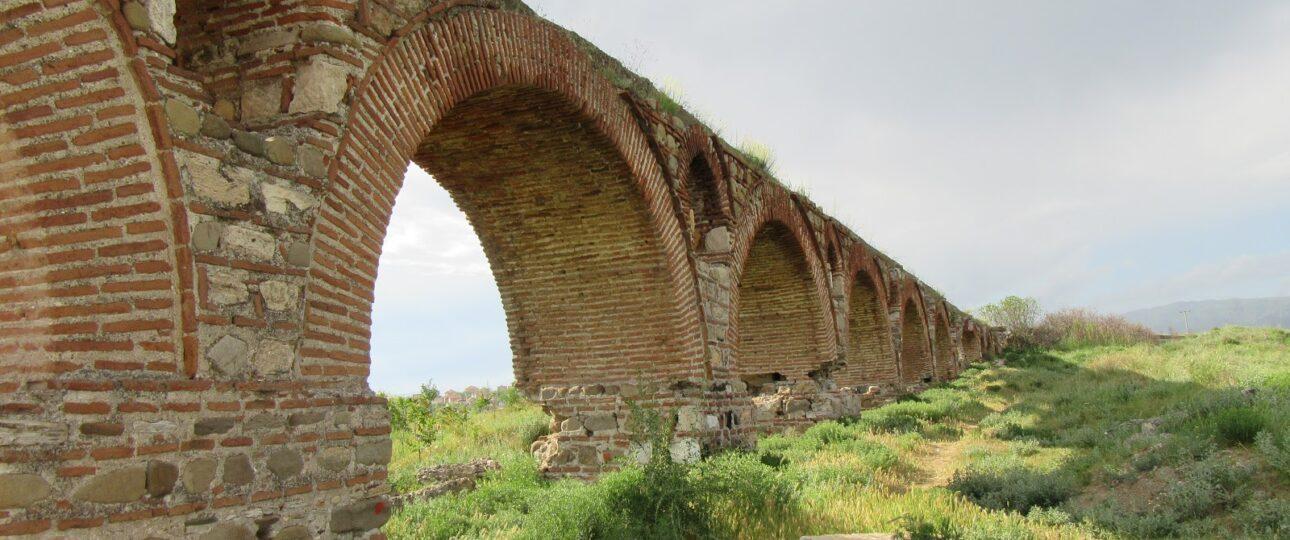
The Skopje Aqueduct is the only aqueduct in Macedonia, and one of three largest and well preserved in the former Yugoslavia along with Diocletianus Aqueduct near Split, Croatia and Bar Aqueduct in Montenegro.

KOKINO

The megalithic observatory in Kokino is listed among the ancient observatories in the world. In 2005, the American space agency NASA included Kokino on the map of 15 ancient observatories along with Abu Simbel in Egypt, Stonehenge in Great Britain, Angkor Wat in Cambodia, Machu Picchu in Peru.


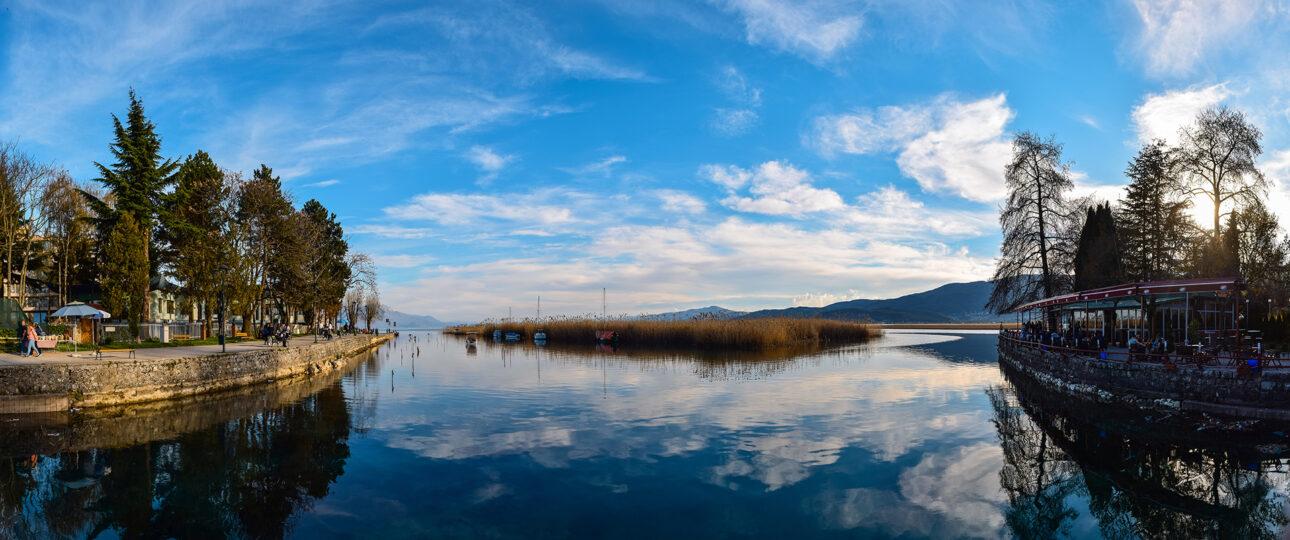
There is no place like Struga

Struga is placed on the south-west of Republic of Macedonia, near Ohrid, on the coast of Ohrid Lake and the river Crn Drim. In ancient time the city was known as Enchalon, which in ancient Greek means eel (fishing eels in Drim river was very popular in Struga up until recently). It has been known since the time of Iliris and many of the old writers of traveling guides have noted that Struga was a very vivid city with developed trade, great markets and the houses of the wealthy citizens were always beautiful decorated.That is why the well-known saying: ,,There is no place like Struga’’. This is the birthplace of  brothers  Konstantin and Dimitar Miladinov, famous Macedonian poets and reformers from the XIX century.

Since 1961 Struga is a host of the internationally known festival of poetry known as ,, Struga Poetry Evenings ‘’. The Struga Poetry Evenings and the ,,traveling of the eel’’ are the two main world attractions that Struga’s inhabitants are proud of.

The city of consuls – Bitola

Bitola “The city of consuls” is the second largest city in Macedonia, home to twelve consulates.It was known to the ancient world as Heraclea Lyncestis, a city founded by Phillip II of Macedon (father of Alexander the Great). Today, Bitola is real mix of old and new, where Ottoman constructions and ancient ruins intermingle with modern office buildings. The old part of Bitola features well preserved architecture and bazaar-market and turn of the century importance as a center for diplomacy within the Ottoman Empire – while also exemplifies the country’s time-honored cafe culture.

The main street of Bitola – Shirok Sokak dominates with its specific individualism, charm and beauty, featuring monumental urban folklore buildings, and colorful oriental and western European architecture, that is the most popular meeting point of both locals and visitors. Bitola and its surrounding are very rich in cultural and historical monuments that testify on the rich cultural and spiritual activity.

Heraklea Heraclea Lyncestis was an ancient Macedonian city situated 2 km south of the present-day town of Bitola, Republic of Macedonia. Heraclea was a strategically important town during the Hellenistic period, as it was at the edge of Macedon’s border with Epirus to the west, and to the non-Greek world to the north, until the middle of the 2nd century BC, when the Romans conquered Macedon and destroyed its political power. The Romans divided Macedonia into 4 regions and Heraclea was in the fourth region. The main Roman road in the area, Via Egnatia went through Heraclea, and Heraclea was an important stop.

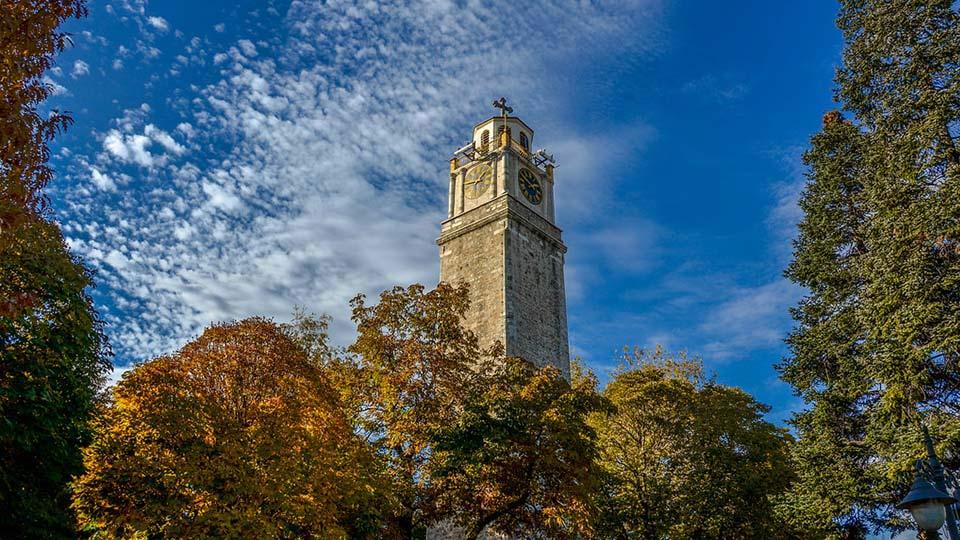
The Clock – tower is located in the centre of Bitola, in the northern part of Sirok Sokak. It is believed that the building was constructed in the seventeenth century. Legend says that 60,000 eggs were collected from the households n the area of Bitola in the courseof the construction of the building. The Clock-tower is 33 meters tall and lies on a quadrangular basis , the sides of which are 5,8 metres.